
Collaborative Robots vs Traditional Industrial Arms: Complete Comparison
Compare collaborative robots (cobots) vs traditional industrial robot arms. Learn which is best for your manufacturing automation needs.
Quick comparison
| Feature | Collaborative Robots (Cobots) | Industrial Robot Arms |
|---|---|---|
| Payload | 3–35 kg typical | 6–1000+ kg |
| Reach | 500–1300 mm | 700–3500 mm |
| Speed | Limited for safety | Very high |
| Safety | Built-in force limiting | Requires safety cage |
| Typical Cost | Price on application | Price on application |
Detailed analysis
Collaborative Robots (Cobots)
Cobots are designed to work safely alongside humans without safety cages. They have built-in force limiting and collision detection.
Advantages
- Safe to work alongside humans
- No safety cage required
- Easy to program and reprogram
- Quick deployment (days)
- Flexible and mobile
- Lower total cost of ownership
Limitations
- Lower payload (typically 3–35 kg)
- Slower speeds for safety
- Higher per-unit cost
- Limited reach (typically <1.3 m)
Best For
- Small to medium production runs
- Frequent changeovers
- Limited floor space
- Human-robot collaboration
- Assembly and inspection tasks
Industrial Robot Arms
Traditional industrial robots are high-speed, high-payload machines designed for maximum productivity in controlled environments.
Advantages
- High payload (up to 1000 kg+)
- Very fast operation
- Long reach (up to 3.5 m+)
- Proven reliability
- Lower per-unit cost
- Maximum throughput
Limitations
- Requires safety caging
- Complex programming
- Longer deployment time
- Less flexible
- Higher installation costs
- Cannot work near humans
Best For
- High-volume production
- Heavy payload applications
- Maximum speed requirements
- Welding, palletising, heavy assembly
- Dedicated production lines
The verdict
Cobots excel in flexible, human-collaborative environments with frequent changeovers. Industrial arms are ideal for high-volume, high-speed production where maximum throughput justifies the infrastructure investment.
Explore related robots
View all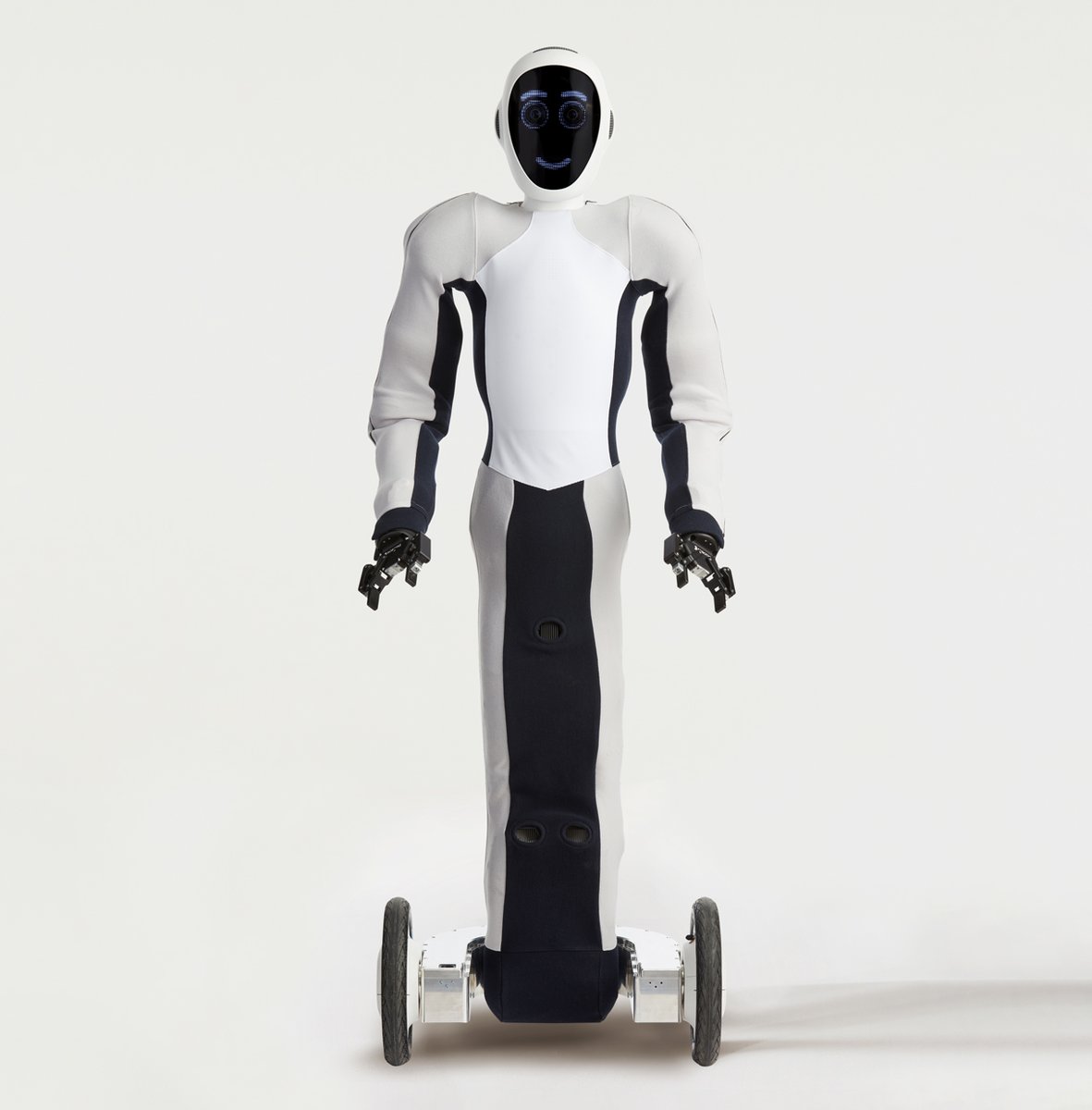
Humanoid robot
1X Technologies EVE
EVE is a mobile manipulator with a wheeled base and human-like upper body for office and facility tasks. It’s built for supervised autonomy and safe operation in human spaces.
Learn More
Humanoid robot
1X Technologies NEO
NEO is a bipedal humanoid platform under active development focused on everyday assistance and commercial service work with supervised autonomy.
Learn More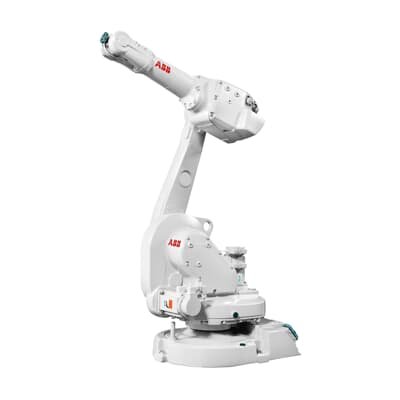
Industrial Collaborative Arm
ABB Robotics IRB 1600
IRB 1600 is a fast, precise industrial arm for machine tending and material handling, chosen for long-running production cells.
Learn More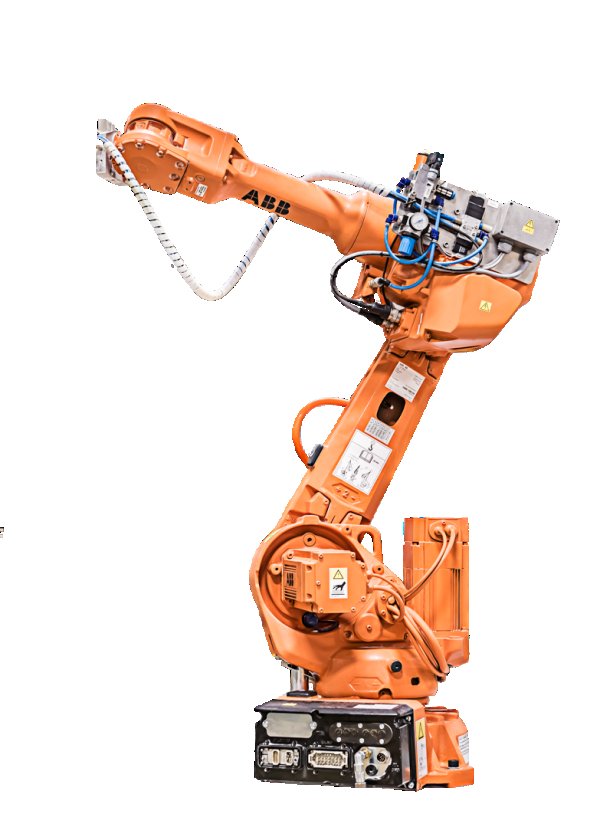
Industrial Collaborative Arm
ABB Robotics IRB 2600
IRB 2600 is a compact, high-speed arm with excellent reach-to-payload ratio for arc welding, tending and handling in tight cells.
Learn More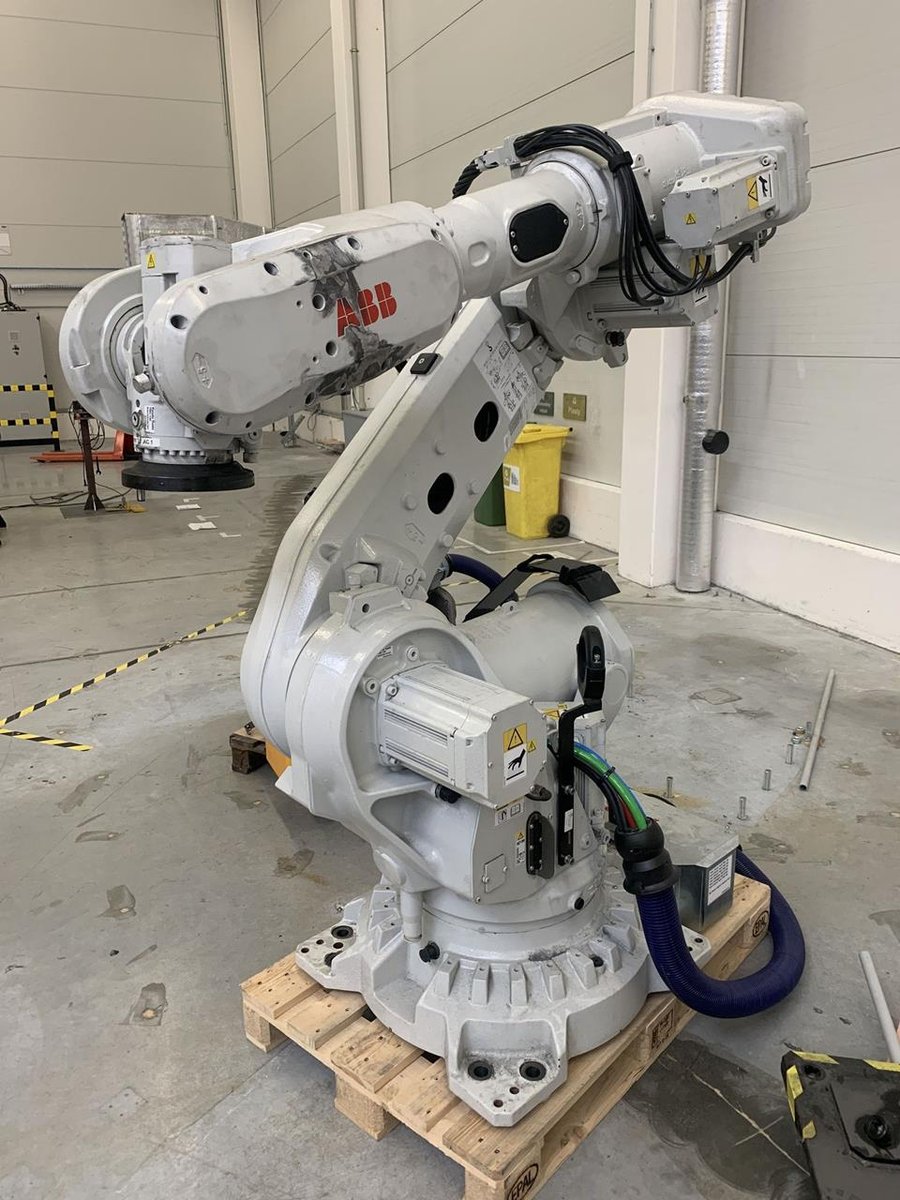
Industrial Collaborative Arm
ABB Robotics IRB 6700
IRB 6700 is a high-payload workhorse for heavy handling, spot welding and press tending, built for harsh environments with Foundry options.
Learn More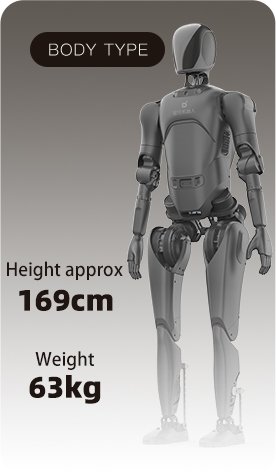
Humanoid robot
AGIBOT A2 Lite
The AGIBOT A2 Lite is a full-size humanoid designed primarily for entertainment, commercial performance and creative motion programming. It stands 1.69 m tall, weighs about 64 kg and has 23 total degrees of freedom, with a published maximum arm load of approximately 2 kg. Its strongest capabilities are full-body performance, configurable group-control routines, smart OTA updates and optional VR teleoperation that can record and reproduce custom motions without coding. Unlike the higher-spec A2 Ultra, the official A2 Lite specification does not list a standard LiDAR/camera perception stack or autonomous navigation, so its clearest near-term fit is supervised operation in controlled stages, venues, demonstrations and creative-development environments.
Learn MoreWhere this comparison applies
Explore related areas to find the right robot for your operation.
Common industries
Related use cases
Still not sure which to choose?
Use our AI-powered Solution Finder to get personalised recommendations based on your specific needs.