
Education, Research & Development Robots
Open Platforms for Academic, R&D and STEM Programmes
Last updated 29 September 2026
Humanoid robots today are best suited to education, research, events and entertainment — teaching robotics and AI, university and R&D labs, trade shows, receptions and brand activations. We expect them to be trained for wider real-world work over the next 12 to 36 months. Talk to us about a research, education or events project.
What are education and research robots?
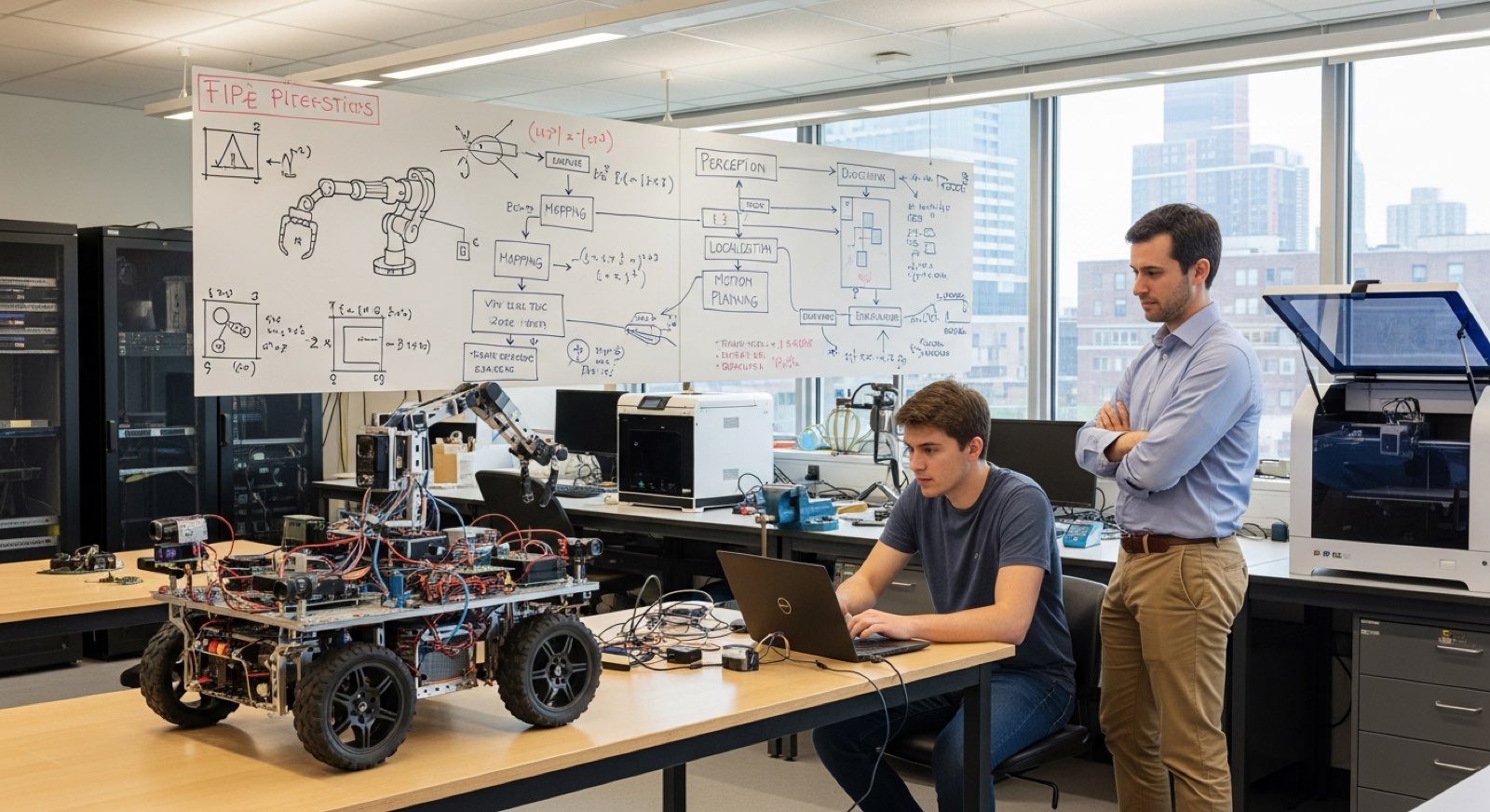
Education and research robots are open, programmable platforms used by universities, research labs, and STEM programmes to teach robotics and AI concepts and to prototype new algorithms and applications before commercial deployment.
Best education and research robots in the UK
View all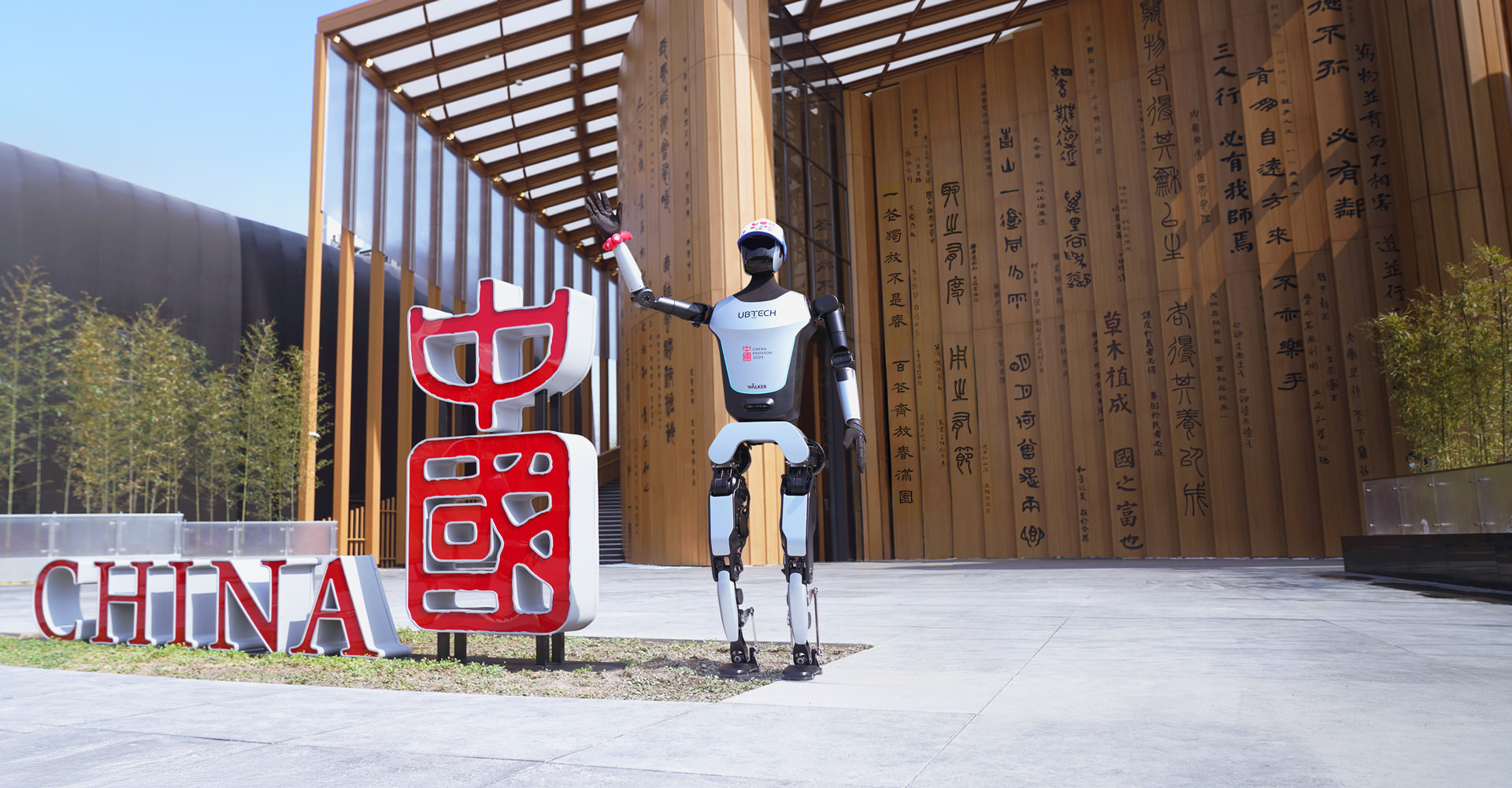
UBTECH Robotics Walker
UBTECH Robotics Walker C is an advanced, bipedal humanoid robot designed for a new era of intelligent service applications. It combines stable and agile locomotion with dexterous manipulation and a sophisticated AI brain, enabling it to interact naturally with people and perform complex tasks in environments like smart homes, retail, and exhibitions.
View Listing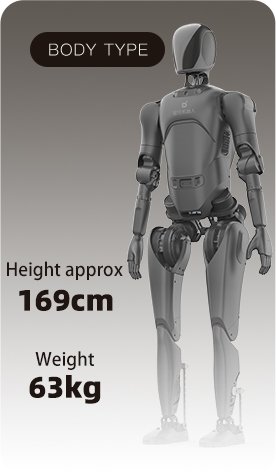
AGIBOT A2 Lite
The AGIBOT A2 Lite is a full-size humanoid designed primarily for entertainment, commercial performance and creative motion programming. It stands 1.69 m tall, weighs about 64 kg and has 23 total degrees of freedom, with a published maximum arm load of approximately 2 kg. Its strongest capabilities are full-body performance, configurable group-control routines, smart OTA updates and optional VR teleoperation that can record and reproduce custom motions without coding. Unlike the higher-spec A2 Ultra, the official A2 Lite specification does not list a standard LiDAR/camera perception stack or autonomous navigation, so its clearest near-term fit is supervised operation in controlled stages, venues, demonstrations and creative-development environments.
View Listing
AGIBOT A2 Ultra
The AGIBOT A2 Ultra is a full-size commercial humanoid designed for interactive reception, route guidance, exhibitions, brand activations and performance-oriented deployments. It stands 1.69 m tall, weighs about 69 kg and has 40 total degrees of freedom, including 6-DoF dexterous hands, with autonomous navigation, obstacle avoidance, multimodal interaction and facial-recognition-based proactive greeting. AGIBOT positions the platform as commercially scaled, citing more than one thousand units deployed in real-world operations, international CR/CE/FCC certifications and long-duration mobility demonstrations including a 106.286 km walking record. Its strongest near-term fit is supervised or configured operation in commercial venues and research/development settings rather than unrestricted general-purpose autonomous work.
View Listing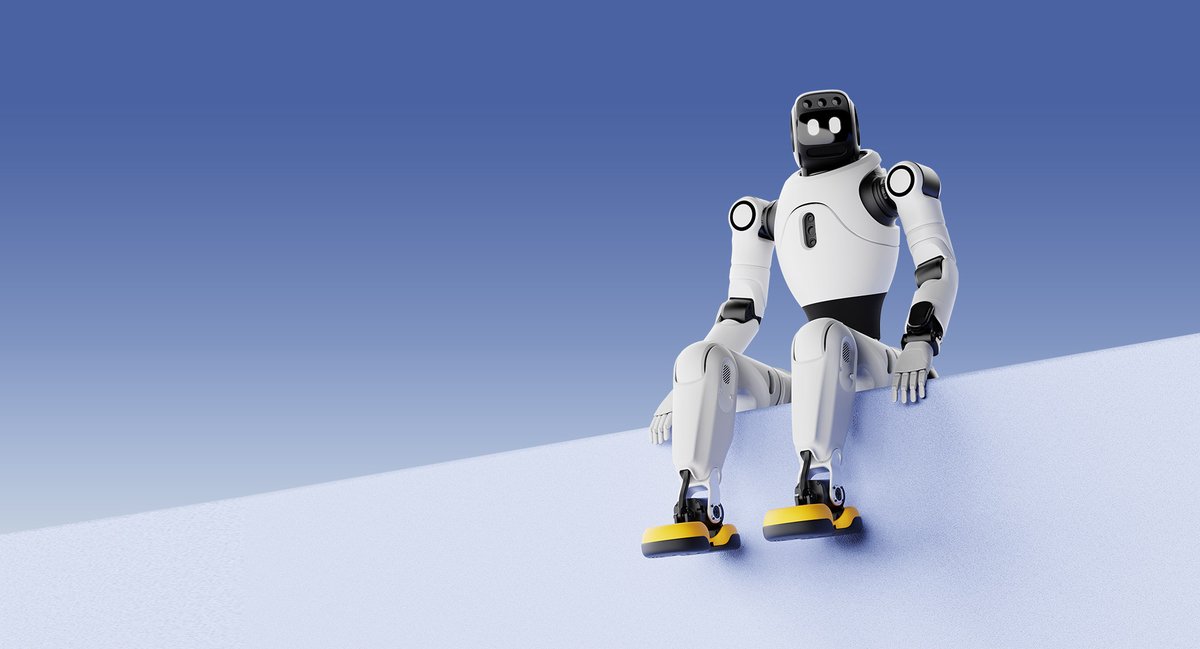
AGIBOT X2 Ultra
The AGIBOT X2 Ultra is the higher-spec model in AGIBOT's compact X2 humanoid series, combining expressive human interaction with onboard spatial perception, autonomous indoor navigation and support for secondary development. It stands about 1.31 m tall, weighs about 39 kg and has 30 degrees of freedom, while a 3D LiDAR, RGB-D camera and multi-camera vision system support route planning and proactive obstacle avoidance. The X2 Ultra also adds an NVIDIA Jetson Orin NX high-performance board, 4G/5G connectivity, expanded USB/RJ45 interfaces, optional autonomous charging and compatibility with separately purchased OmniHand or OmniPicker end effectors. Its strongest near-term fit is controlled indoor interaction, events, research and solution-development scenarios rather than heavy material handling.
View Listing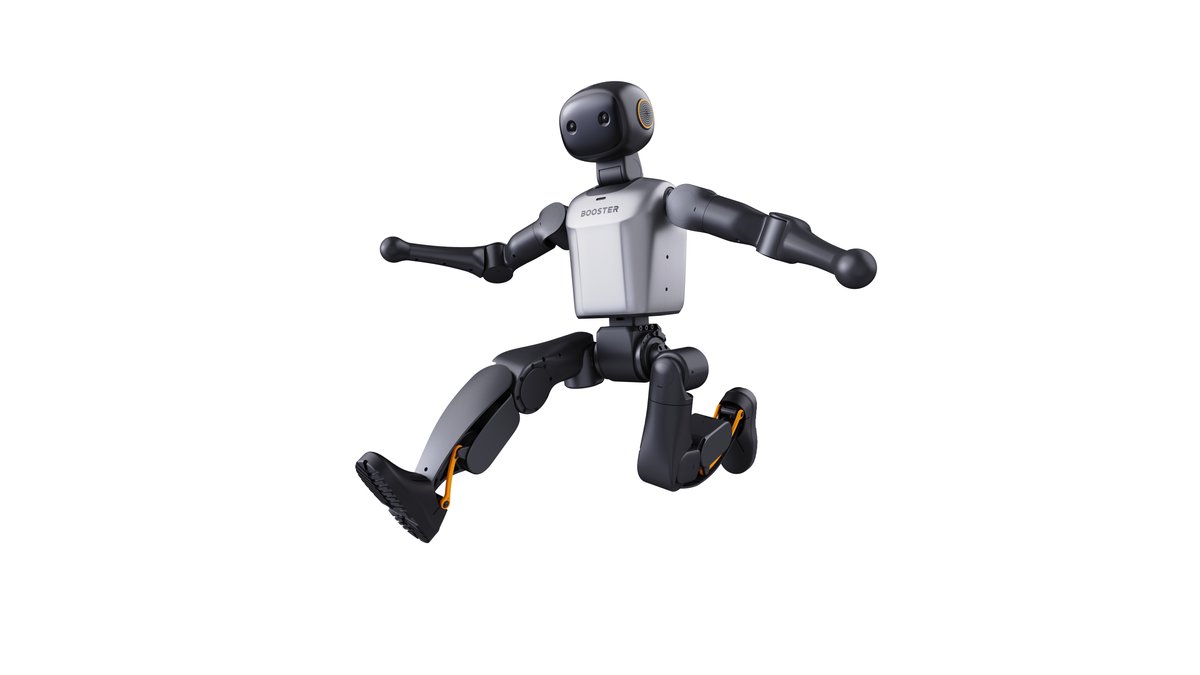
Booster Robotics K1
The Booster Robotics K1 is a state-of-the-art, general-purpose humanoid robot designed for advanced research and human-robot interaction. Featuring a dynamic bipedal locomotion system and highly dexterous manipulators, the K1 serves as an adaptable platform for developing future applications in service, logistics, and collaborative manufacturing.
View Listing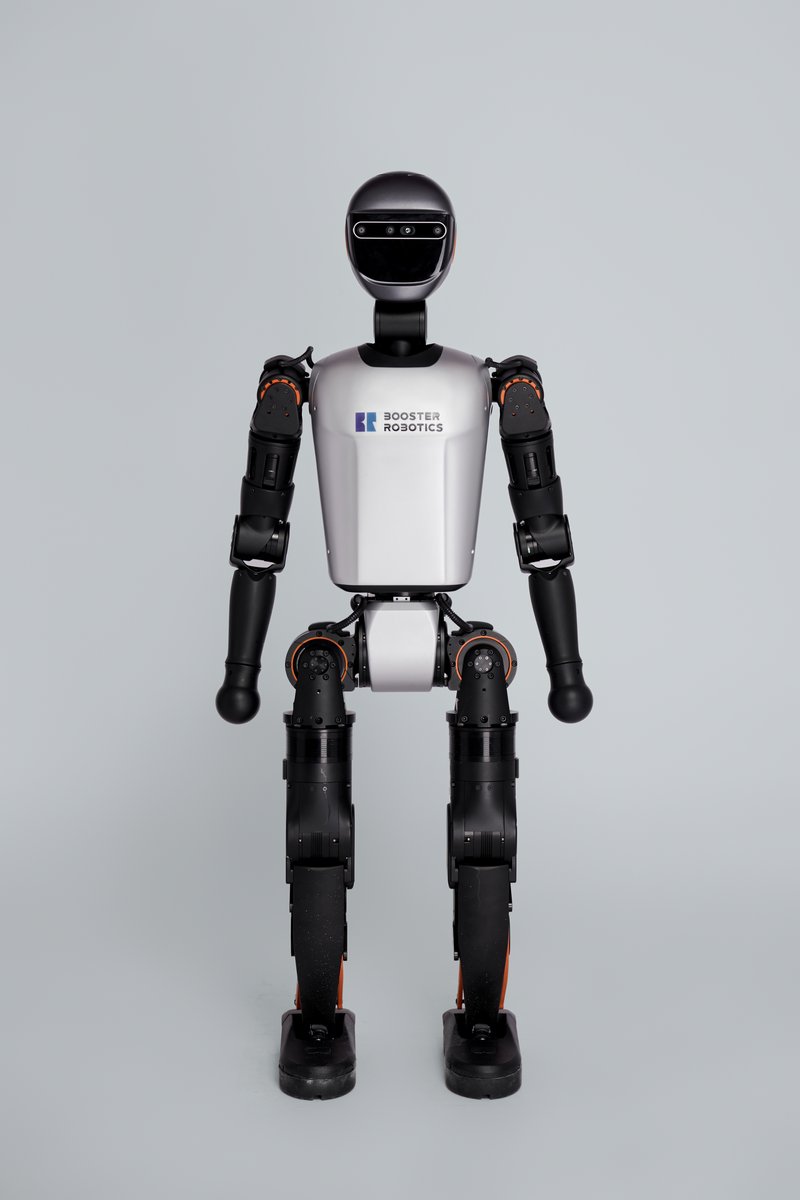
Booster Robotics T1
The Booster Robotics T1 is a state-of-the-art humanoid robot engineered for seamless integration into human-centric environments. It combines dynamic bipedal locomotion with dexterous, force-sensitive manipulation, making it an ideal platform for advanced research, light logistics, and human-robot collaboration. The T1's open architecture and powerful AI core empower developers and researchers to push the boundaries of automation.
View Listing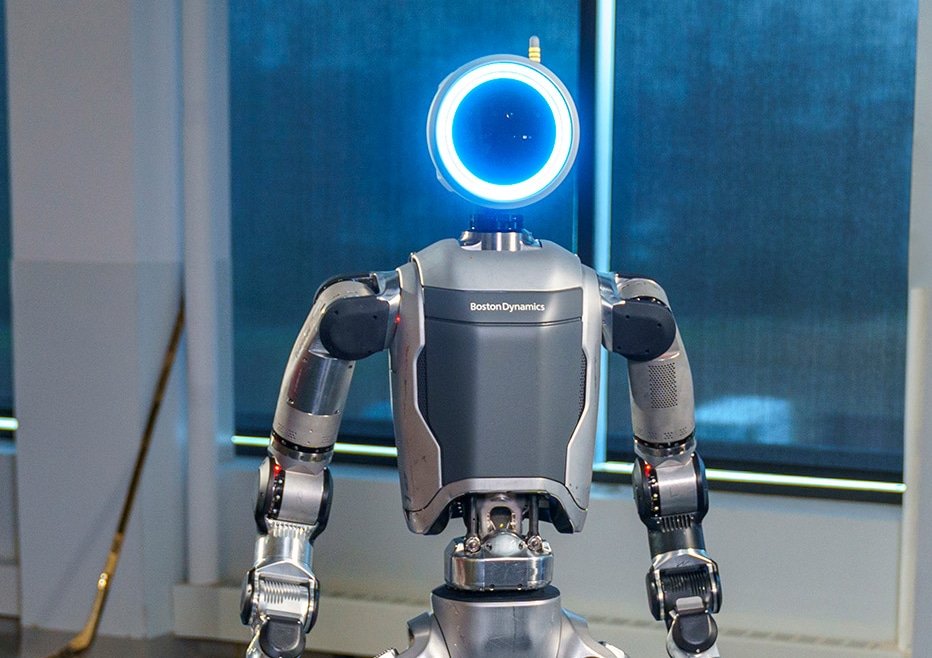
Boston Dynamics Atlas (Electric)
Atlas (Electric) is a next-generation humanoid research platform demonstrating advanced mobility and manipulation. It showcases what human-scale robots will do in dynamic, real-world tasks.
View Listing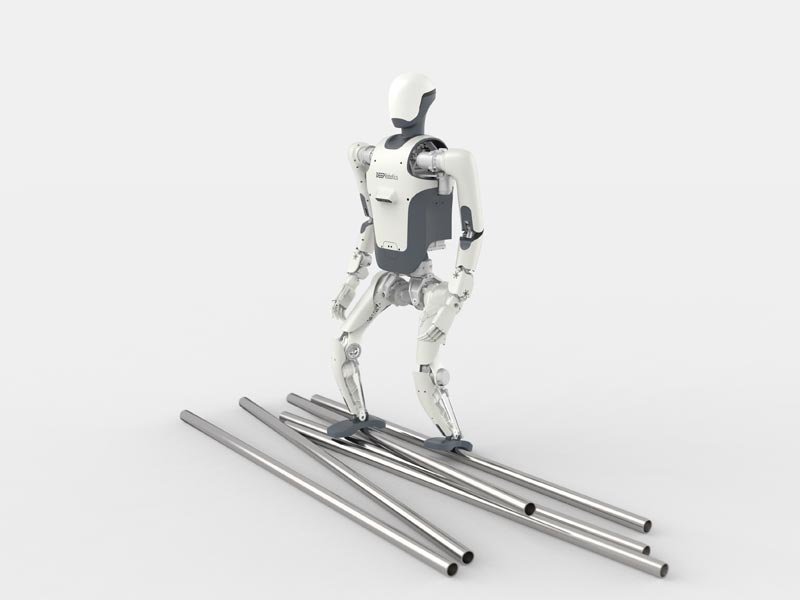
DEEP Robotics DR01
DEEP Robotics DR01 is a full-size bipedal humanoid platform positioned as an embodied-intelligence explorer for AI and big-data training rather than a fully packaged general-purpose worker. Its strongest publicly documented capability is robust locomotion: DEEP Robotics states that it walks at more than 1.6 m/s, traverses 18 cm steps and 25° slopes, handles uneven terrain, and can recover balance under disturbances such as slippery surfaces and external pushes. The platform combines robot-state and environmental perception with learning-based sensing-and-control methods and is intended to support the development of new behavioural skills as environments and task requirements change. Important buyer details including body dimensions, weight, DoF, payload, battery/runtime, hand dexterity, SDK scope and regional certifications remain unpublished and require manufacturer confirmation.
View Listing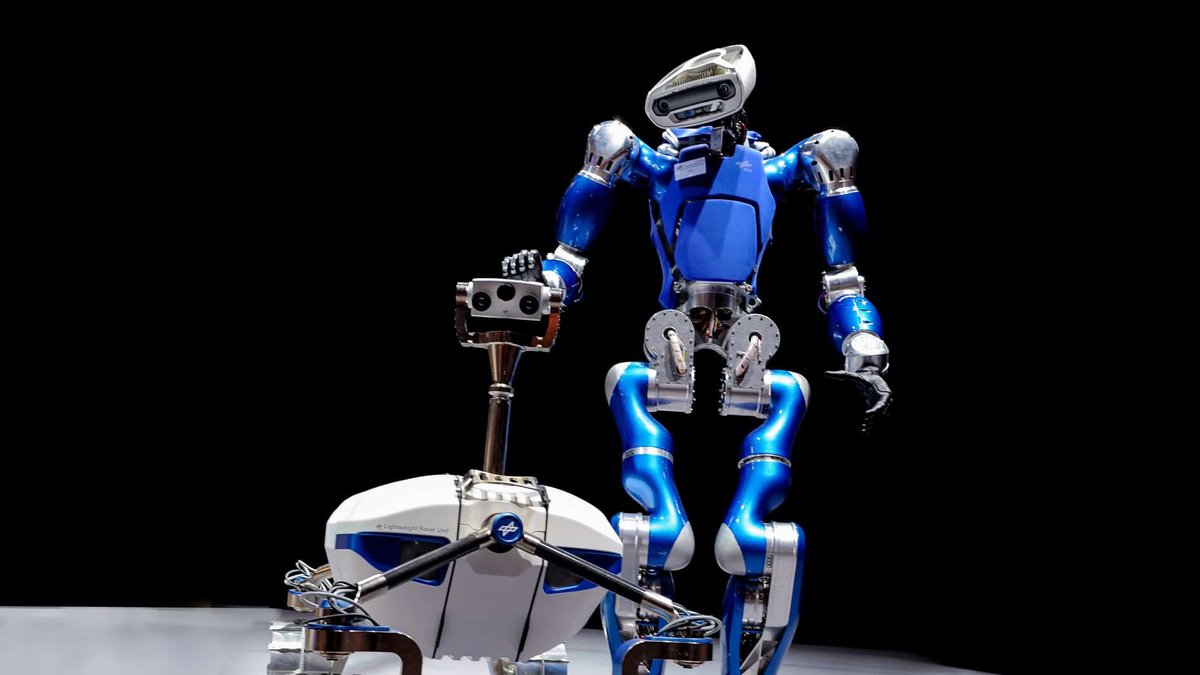
DLR (German Aerospace Center) TORO
TORO is a torque-controlled humanoid research platform for studying dynamic bipedal walking and whole-body manipulation.
View ListingKey benefits
Accelerate research and prototyping cycles
Give students hands-on robotics experience
Flexible platform for custom experiments
Strong community and SDK support
Key selection criteria
ROI analysis
Average Investment
Price on application per unit
Annual Savings
Accelerated research & training outcomes
Payback Period
Programme-dependent
Frequently asked questions
What does a research or teaching robot cost?
Price on application per unit — the widest range we list, from classroom arms to full research humanoids. Returns are programme-dependent rather than a payback calculation.
Is ROS supported?
Open SDK and ROS compatibility is the first thing we check for this category — along with documentation quality and community size, which matter more than headline specs for research use.
Can we add our own sensors and payloads?
Modularity for custom sensors and payloads is a core selection criterion. Platforms like AgileX's arms support ROS and Python out of the box with open-source software.
Are these safe for a classroom or teaching lab?
Robots we list for education carry safety features designed for classroom and lab use — collaborative-grade force limits and easy e-stops.
Do you handle institutional procurement?
Yes — we work with universities and schools on quotes, multi-unit pricing and the paperwork institutional purchasing requires.
Where education and research robots fit
Explore related areas to find the right robot for your operation.
Ready to automate your lab or classroom?
Answer a few questions about your site and budget; we'll shortlist robots that fit. About 3 minutes.