
Hospitality Robots for UK Hotels & Restaurants
Hotel and restaurant robots deliver food, greet guests and clear routes that staff would otherwise walk. Typical payback on the deployments we track is 9–18 months. RoboMercato supplies, installs and services them in the UK, to buy, finance or rent. Price on application, ex VAT.
Delivery and guest-service robots, supplied and serviced in the UK
Last updated 29 September 2026
What are hospitality robots?
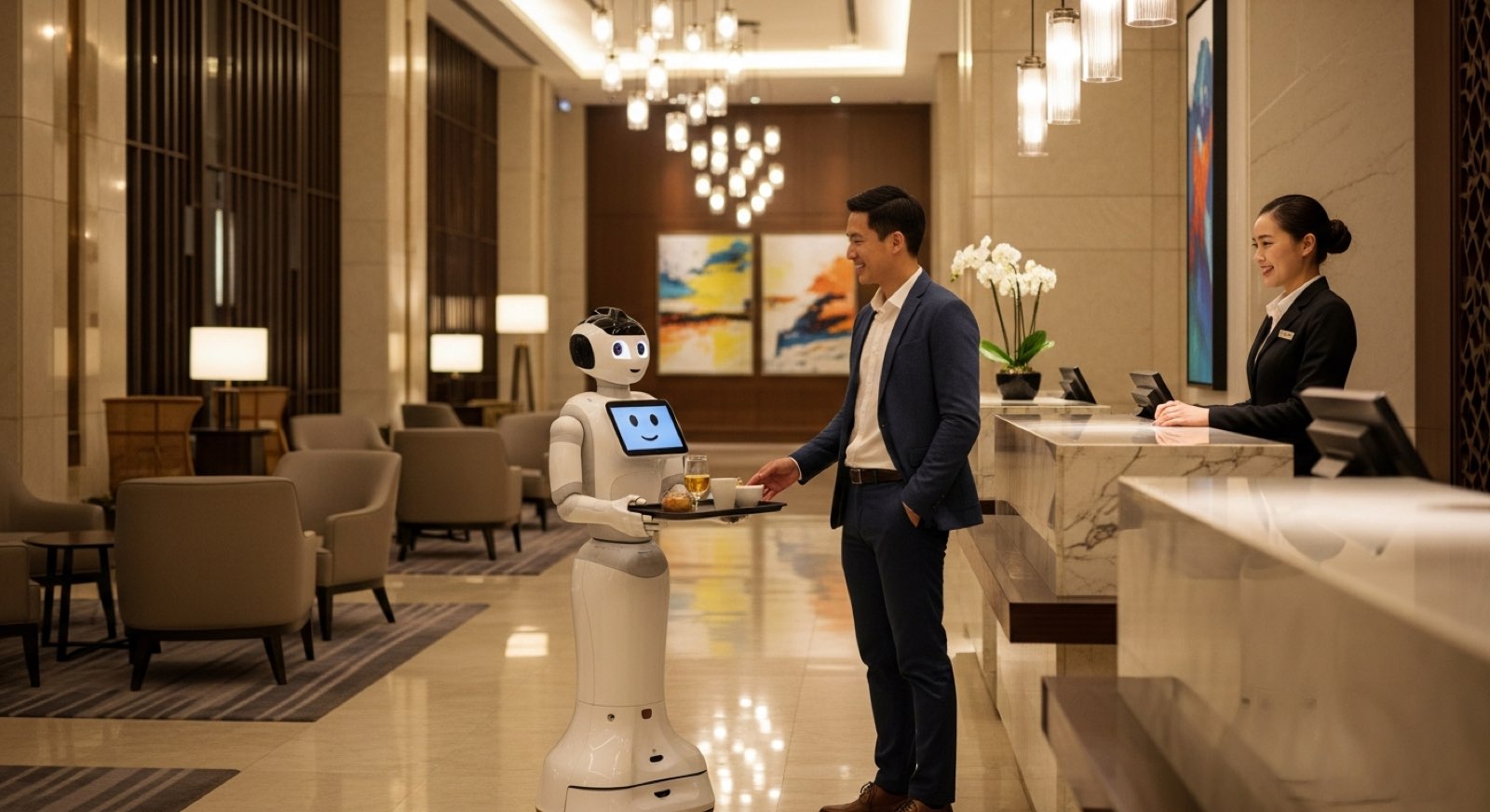
Hospitality and customer service robots interact directly with guests and customers — delivering room service and food orders, greeting visitors, answering questions, and guiding people through hotels, restaurants, retail stores, and airports.
Best hospitality robots in the UK
View all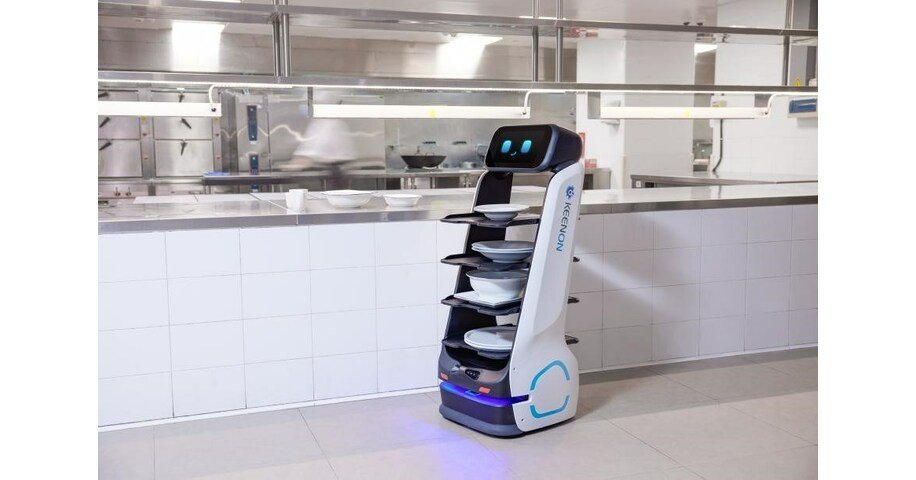
KEENON Robotics DINERBOT T9
The KEENON DINERBOT T9 is a high-load service delivery robot designed for restaurants, hotels and other food-service environments that need to move multiple orders or heavier trays. It offers adjustable tray spacing, 40kg total load capacity and up to 18 hours of battery life, making it suitable for long service shifts and high-volume front-of-house workflows. KEENON positions the T9 around precise navigation, 3D perception, patented route-planning algorithms and multi-robot dispatching for reliable indoor delivery. For buyers, its main value is improving delivery throughput and reducing repetitive staff movement while maintaining a clear, customer-facing pickup experience.
View Listing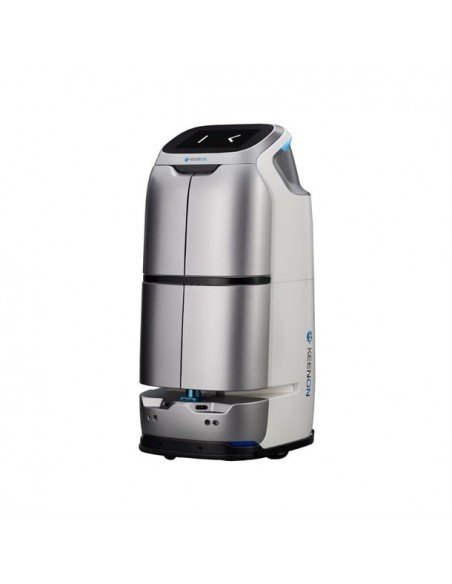
KEENON Robotics BUTLERBOT W3
The KEENON BUTLERBOT W3 is a service delivery robot designed for private, cross-floor delivery in hotels and other indoor service environments. It uses enclosed automatic-door compartments to carry room-service items, amenities, documents or other light goods while supporting contactless and privacy-conscious delivery. Its elevator-riding capability and configurable cabin layout are intended to reduce repetitive staff movement across floors and improve service consistency in guest-facing facilities.
View Listing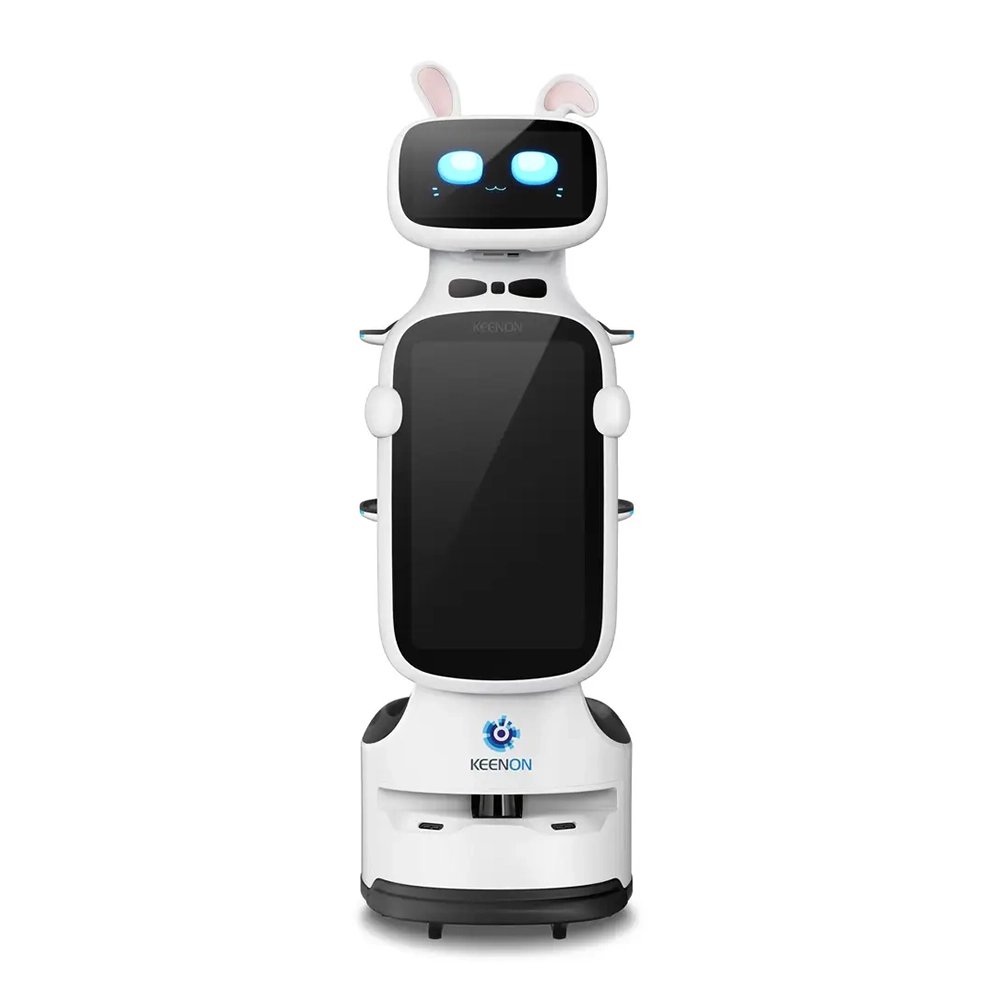
KEENON Robotics DINERBOT T11
The KEENON DINERBOT T11 is a compact service delivery and marketing robot designed for restaurants, cafes and other hospitality environments with narrow aisles. It combines a multi-layer open tray system, a 20kg total payload and a compact body that can pass through 49cm aisles, making it suitable for tighter front-of-house spaces where larger delivery robots may struggle. The robot uses LiDAR, stereo vision sensors, image positioning and obstacle-avoidance features to support indoor autonomous delivery around staff and guests. For buyers, its main value is combining practical food delivery, narrow-space manoeuvrability and customer-facing marketing/display capability in one robot.
View Listing
AGIBOT A2 Ultra
The AGIBOT A2 Ultra is a full-size commercial humanoid designed for interactive reception, route guidance, exhibitions, brand activations and performance-oriented deployments. It stands 1.69 m tall, weighs about 69 kg and has 40 total degrees of freedom, including 6-DoF dexterous hands, with autonomous navigation, obstacle avoidance, multimodal interaction and facial-recognition-based proactive greeting. AGIBOT positions the platform as commercially scaled, citing more than one thousand units deployed in real-world operations, international CR/CE/FCC certifications and long-duration mobility demonstrations including a 106.286 km walking record. Its strongest near-term fit is supervised or configured operation in commercial venues and research/development settings rather than unrestricted general-purpose autonomous work.
View Listing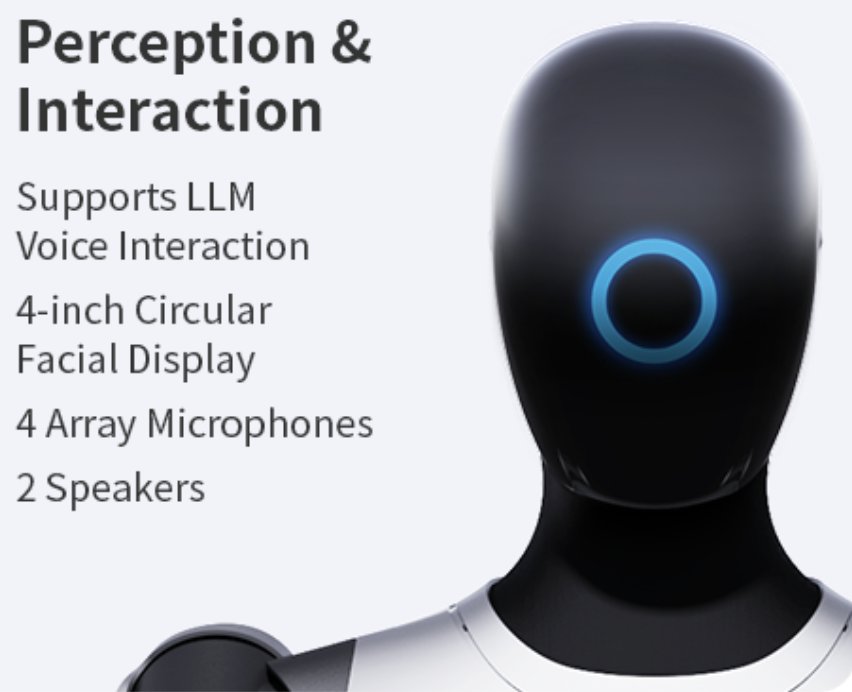
UBTECH Robotics Cruzr S2
The UBTECH Cruzr S2 Standard is an intelligent, cloud-based humanoid service robot designed for business environments. It excels at customer reception, guidance, and interaction, utilizing advanced navigation and multi-modal communication to enhance service efficiency and customer experience in settings like retail, hospitality, and corporate offices.
View Listing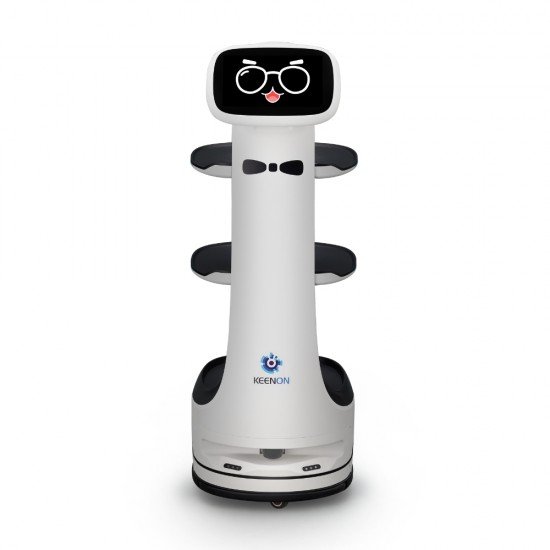
KEENON Robotics DINERBOT T8
The KEENON DINERBOT T8 is a compact service delivery robot designed for restaurants, hotels and other front-of-house service environments where space is limited. It supports food, drink and service-item delivery using an open tray design, with tray sensors, voice guidance and visual pickup guidance on a 10.1-inch touchscreen. KEENON positions the T8 around narrow-aisle manoeuvrability, precise navigation, 3D perception and multi-robot dispatching for efficient indoor service workflows. For buyers, its main value is reducing repetitive staff movement while improving delivery consistency and customer handover in compact dining and hospitality spaces.
View Listing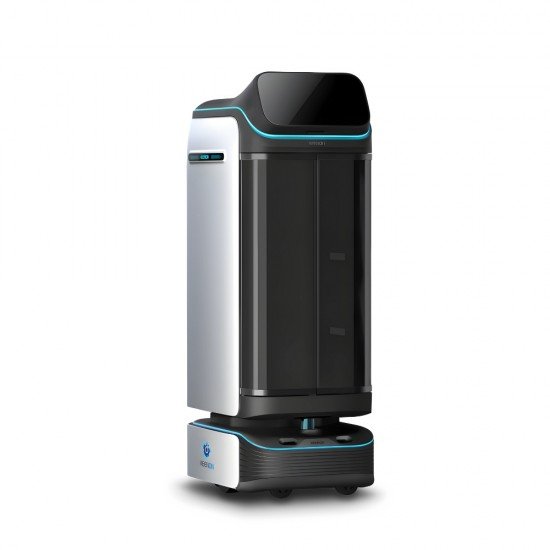
KEENON Robotics DINERBOT T3
The KEENON DINERBOT T3 is a service delivery robot designed for safe, hygienic delivery in restaurants, private dining rooms and hospitality food-service environments. It uses an enclosed 180L cabin with step-activated and password-secured automatic doors, helping operators deliver dishes or service items with greater privacy and reduced handling. KEENON positions the T3 around precise navigation, 3D perception, obstacle avoidance and multi-robot dispatching for efficient task execution in indoor service spaces. For buyers, its main value is reducing repetitive staff movement while improving delivery consistency, hygiene perception and service efficiency in higher-volume dining workflows.
View Listing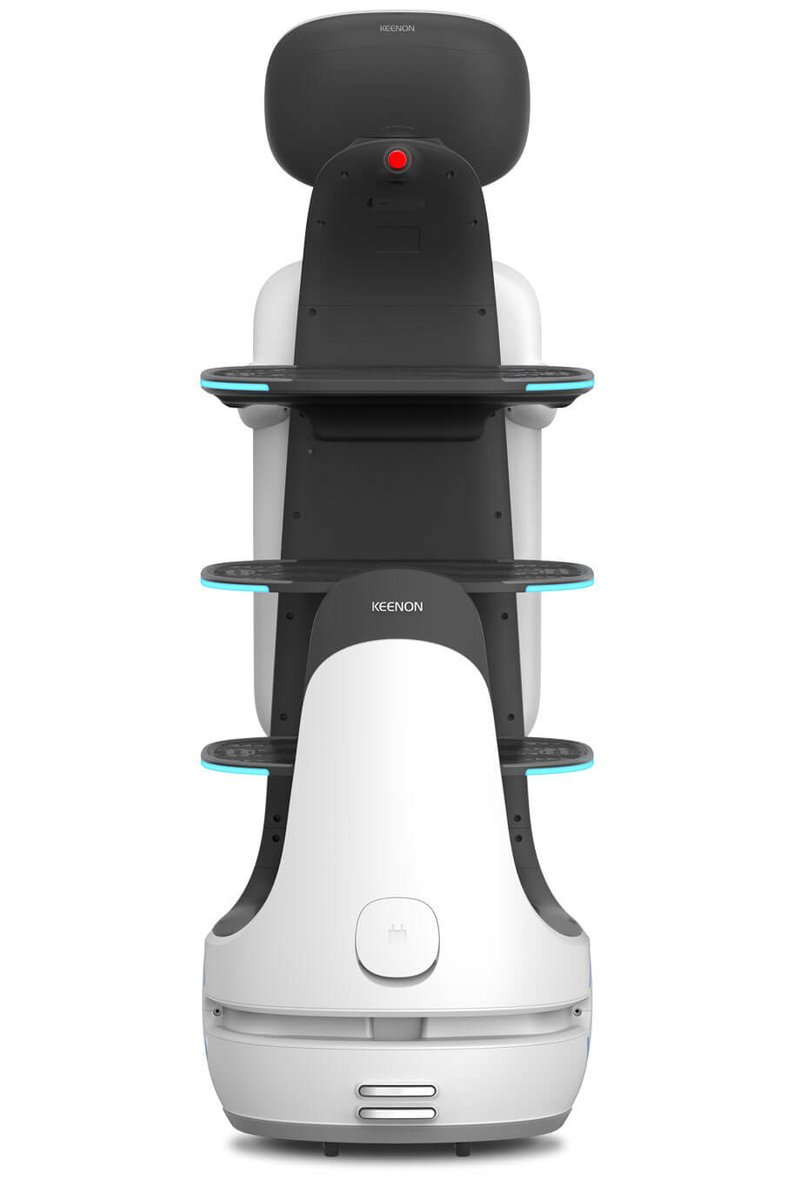
KEENON Robotics DINERBOT T10
The KEENON DINERBOT T10 is a service delivery and marketing robot designed for restaurants, hotels and other customer-facing hospitality environments. It combines multi-layer open-tray delivery with a movable head, interactive controls and a large advertising screen, so operators can support both food-service delivery and customer engagement. The robot uses precise navigation, route-planning algorithms and multi-sensor perception to move through indoor service spaces. For buyers, its main value is combining delivery capacity, staff-assist productivity and promotional display capability in one front-of-house robot.
View Listing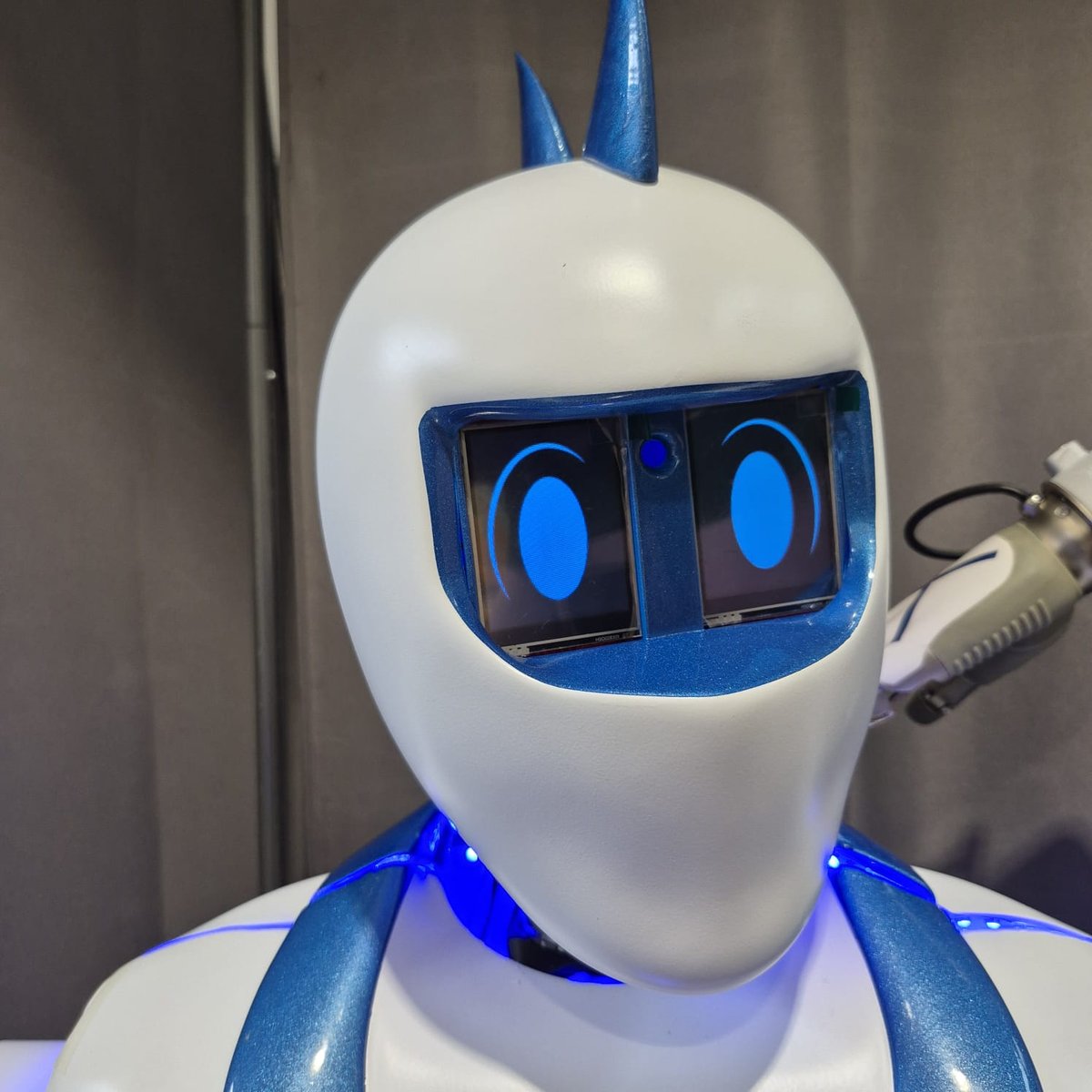
Macco Robotics Kime
The Macco Robotics Kime 2 is a versatile robotic bartending solution designed to automate and elevate the beverage service experience. It offers precision pouring, customized drink creation, and consistent quality, making it ideal for high-volume environments.
View ListingKey benefits
Extend service hours without added headcount
Create a memorable, differentiated guest experience
Handle repetitive delivery and concierge tasks
Free staff to focus on high-touch service
Proven in the field
Real deployments, real results — not projections.
Smile Park Elderly Care Home
Pudu KettyBot + BellaBot
Challenge: Overburdened care aides spent hours daily hauling dining trays, linens and medication cups, limiting time for personalised resident care.
Solution: Interactive KettyBot and BellaBot delivery robots were deployed to distribute prescription items and dietary menus across social zones.
Result: Eliminated 2.5 walking hours per shift per care worker, with 85% of residents rating the friendly robot experience positively.
Skylark Group
Pudu BellaBot × 3,000
Challenge: A systemic labour shortage across Japan’s restaurant industry made consistent service standards financially unworkable at scale.
Solution: A national rollout of 3,000 BellaBot serving robots, with redesigned store layouts and multi-agent collision avoidance.
Result: Achieved a 67% positive guest dining feedback score while stabilising operations and improving table-turnover speed.
El Porton Mexican Restaurant
Pudu KettyBot Pro + BellaBot
Challenge: Severe server shortages combined with physical fatigue from carrying heavy, hot fajita plates across a large multi-zone dining floor.
Solution: A dual-bot system: KettyBot Pro for greeting and hosting, and a 4-shelf BellaBot for table delivery.
Result: Delivered 25%+ ROI in the initial phase, completing over 69,500 delivery runs and sparing servers extreme foot fatigue.
Key selection criteria
ROI analysis
Average Investment
Price on application per robot
Annual Savings
Price on application per year
Payback Period
9–18 months
Compare top hospitality robots
| Robot | Category | Payload | Runtime | Quote |
|---|---|---|---|---|
| Keenon Dinerbot T9 | Hospitality robot | 40 kg | Up to 18 hours | Ask for a quote |
| Keenon Butlerbot W3 | Hospitality robot | 20 kg | Up to 12 hours | Ask for a quote |
| Keenon Dinerbot T11 | Hospitality robot | 20 kg | Up to 13.5 hours | Ask for a quote |
| AGIBOT A2 Ultra | Humanoid robot | (TBC) | 3 standing; 1.5+ walking hours | Ask for a quote |
Frequently asked questions
How much does a service robot cost for a restaurant or hotel?
Price on application per robot — the most affordable category we list. With savings of Price on application a year, payback typically lands in 9–18 months.
Do guests actually like being served by robots?
The data says yes, when done well: Skylark Group's 3,000-robot rollout in Japan scored 67% positive guest feedback, and 85% of residents at Smile Park care home rated the experience positively.
Is this only for big chains?
No. El Porton, a single Mexican restaurant in Georgia, runs a two-robot setup — one greeting, one delivering — that's completed 69,500+ delivery runs and returned 25%+ ROI.
Can robots handle a crowded dining room?
Yes — modern delivery robots use multi-agent collision avoidance to navigate busy floors. Skylark redesigned store layouts slightly to optimise routes, which we'd help you plan.
What do these robots actually do day-to-day?
Table delivery, room-service runs, greeting and seating guests, wayfinding, and hauling dishes back to the kitchen. The practical win is mileage: staff at one care home saved 2.5 walking hours per shift.
What do we need on-site to run one?
Reliable WiFi coverage, reasonably level floors, and door/lift widths the robot can pass. Most single-site deployments are running within days — no structural changes needed.
Where hospitality robots fit
Explore related areas to find the right robot for your operation.
Common industries
Ready to automate your hospitality service?
Answer a few questions about your site and budget; we'll shortlist robots that fit. About 3 minutes.