
Healthcare & Care Support Robots
Hospital Logistics, Disinfection & Patient Care Assistance
Last updated 29 September 2026
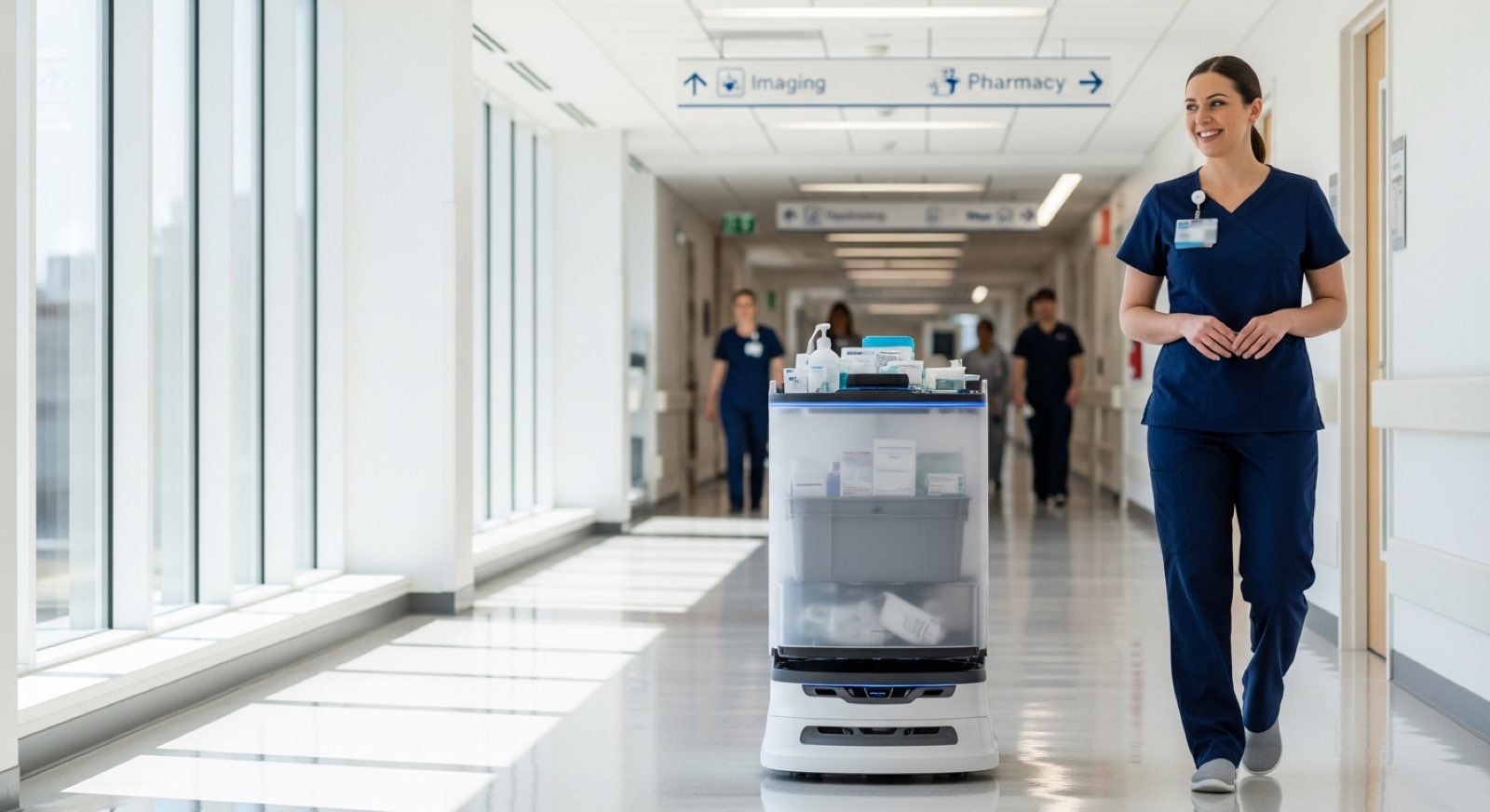
What are healthcare and care robots?
Healthcare and care-support robots move supplies and medications through hospital corridors, disinfect patient rooms and operating theatres, and assist clinical and care staff with routine tasks — improving hygiene, freeing clinical time, and supporting an ageing patient population.
Best healthcare and care robots in the UK
View all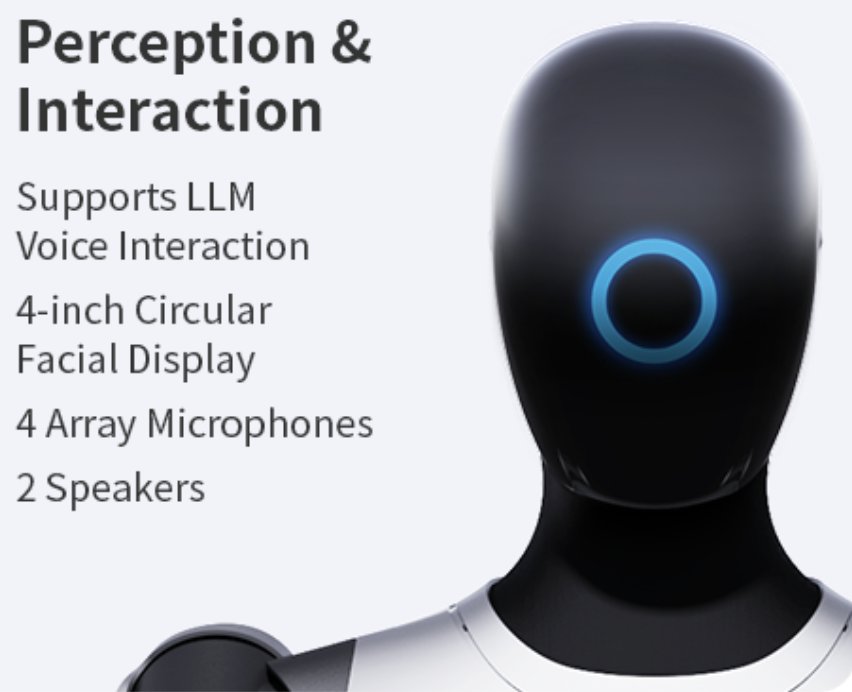
UBTECH Robotics Cruzr S2
The UBTECH Cruzr S2 Standard is an intelligent, cloud-based humanoid service robot designed for business environments. It excels at customer reception, guidance, and interaction, utilizing advanced navigation and multi-modal communication to enhance service efficiency and customer experience in settings like retail, hospitality, and corporate offices.
View Listing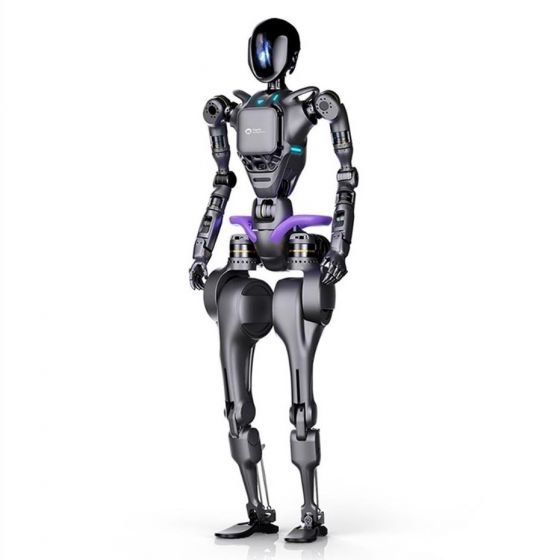
Fourier Robotics GR-1
GR-1 is a mass-manufactured humanoid platform targeting practical assistance in labs, healthcare and light industrial settings.
View Listing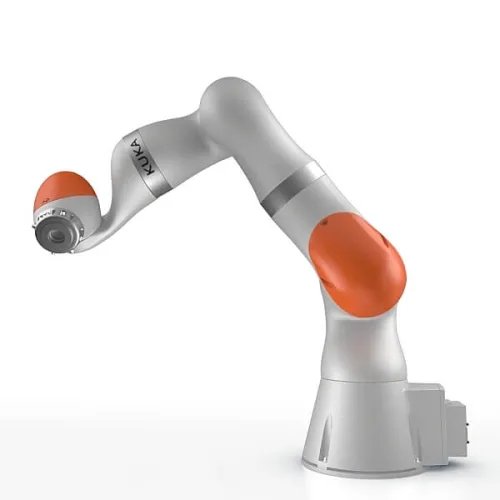
KUKA LBR iiwa 7 R800
LBR iiwa is a lightweight, torque-controlled cobot for sensitive assembly and testing tasks, with 7 axes for human-like reachability.
View Listing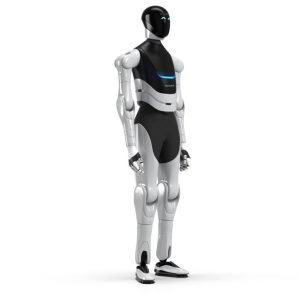
NEURA Robotics 4NE-1
4NE-1 is an intelligent humanoid assistant intended for collaborative work in factories and service spaces. It blends perception, manipulation and speech for people-friendly automation.
View Listing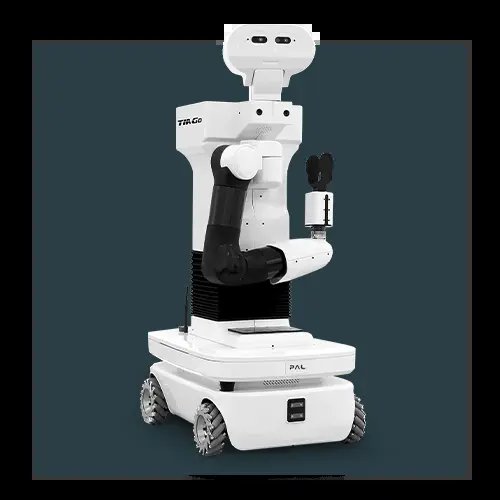
PAL Robotics TIAGo
TIAGo is a modular mobile manipulator for research and agile manufacturing; it combines navigation with a 7-DoF arm for pick/place and HRI.
View ListingPAL Robotics TIAGo++
TIAGo++ adds dual arms to the TIAGo platform for two-handed manipulation in research labs and advanced mobile manipulation tasks.
View Listing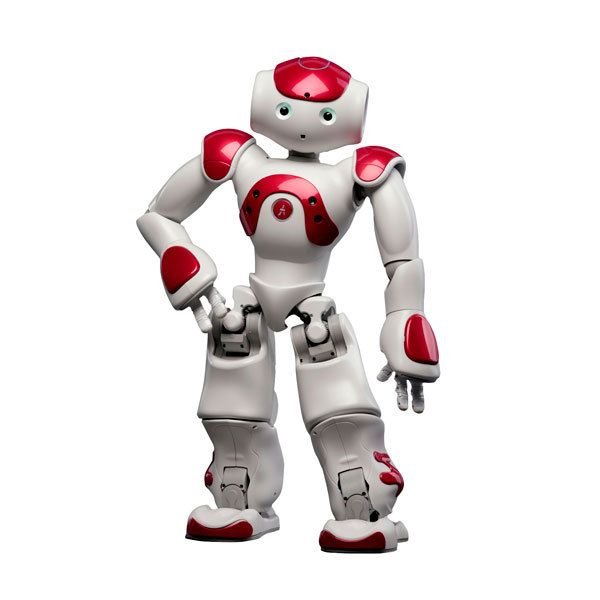
SoftBank Robotics NAO
NAO is a compact, programmable humanoid widely used to teach coding and support therapy, education and HRI research.
View Listing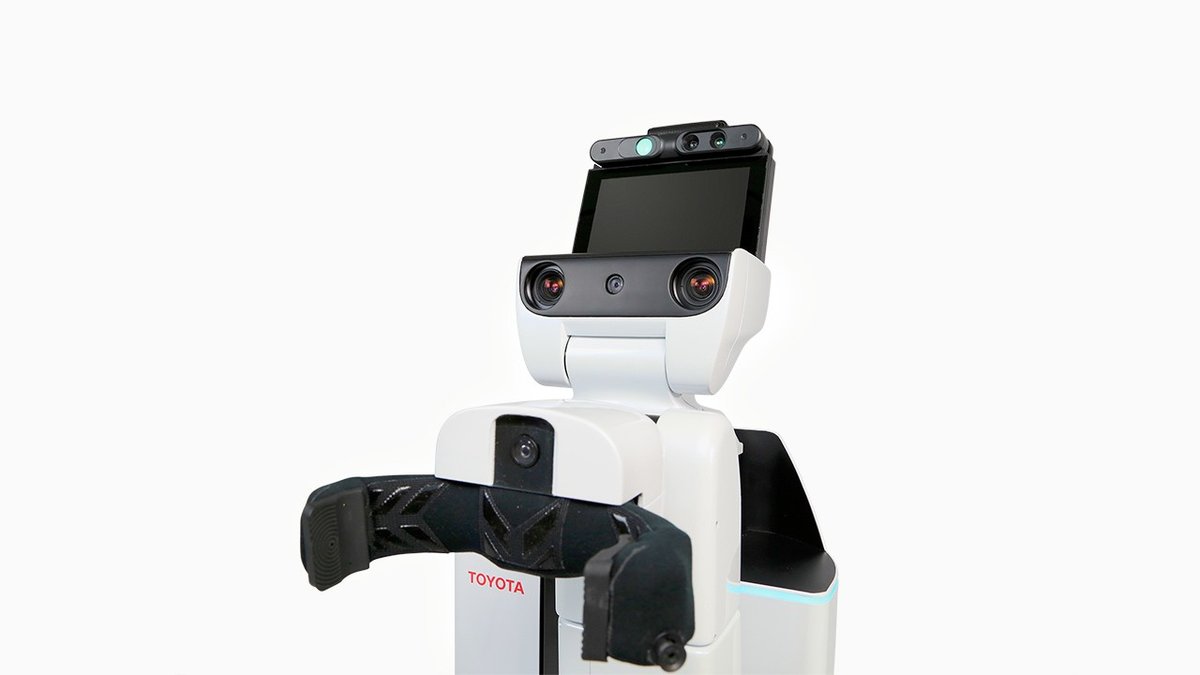
Toyota HSR (Human Support Robot)
HSR is a compact mobile manipulator for service robotics and research. It navigates tight indoor spaces and uses an integrated arm and gripper to fetch, carry and assist.
View Listing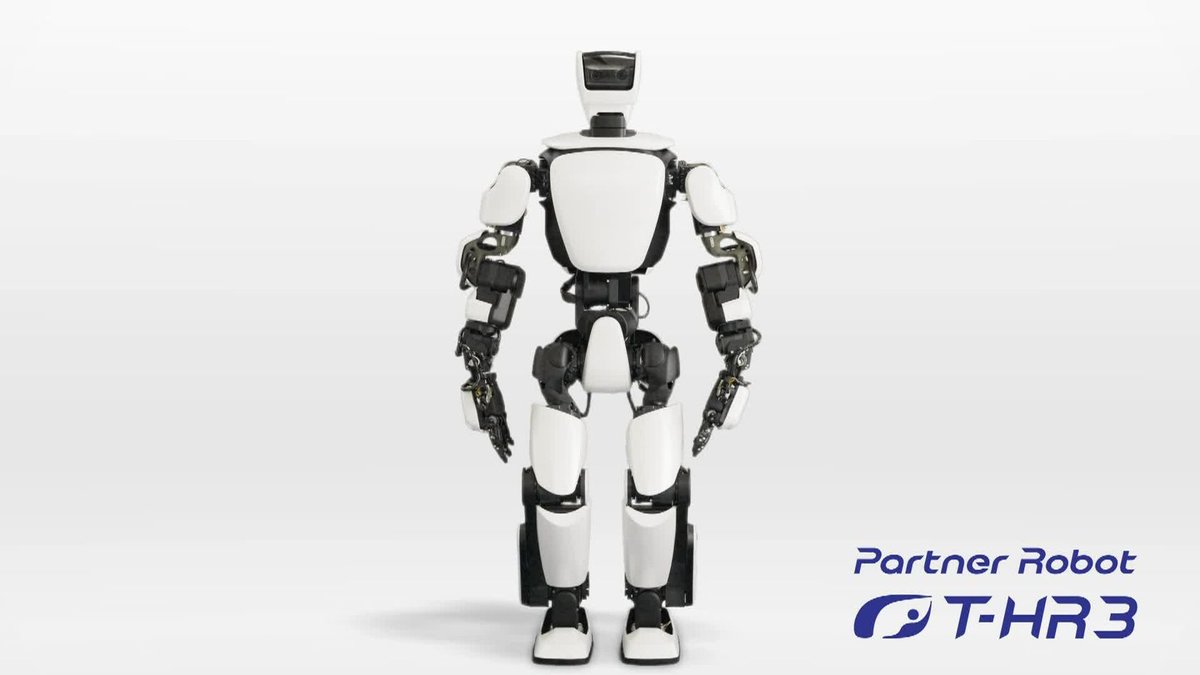
Toyota Research Institute T-HR3
T-HR3 is a teleoperated humanoid research platform that mirrors an operator’s motions and forces, exploring safe remote assistance in homes, hospitals and industrial settings.
View ListingKey benefits
Reduce hospital-acquired infection risk
Free nursing staff from routine transport tasks
Provide consistent, validated disinfection cycles
Support 24/7 hospital logistics
Proven in the field
Real deployments, real results — not projections.
Smile Park Elderly Care Home
Pudu KettyBot + BellaBot
Challenge: Overburdened care aides spent hours daily hauling dining trays, linens and medication cups, limiting time for personalised resident care.
Solution: Interactive KettyBot and BellaBot delivery robots were deployed to distribute prescription items and dietary menus across social zones.
Result: Eliminated 2.5 walking hours per shift per care worker, with 85% of residents rating the friendly robot experience positively.
Key selection criteria
ROI analysis
Average Investment
Price on application per robot
Annual Savings
Price on application per year
Payback Period
12–24 months
Frequently asked questions
What do hospital and care robots cost?
Price on application per robot, with annual savings of Price on application and typical payback of 12–24 months.
What tasks do they take on?
Moving supplies and medications through corridors, UV-C and chemical disinfection of rooms and theatres, meal and linen delivery, and routine transport that otherwise eats clinical time.
How much staff time do they actually free up?
At Smile Park care home in Japan, delivery robots eliminated 2.5 walking hours per care worker per shift — time redirected to personalised resident care.
Do residents and patients accept them?
85% of Smile Park residents rated the robot experience positively. The friendlier, screen-based designs tend to land well in care settings.
What about hygiene and regulatory compliance?
Regulatory compliance is a core selection criterion — we flag which robots carry medical-device or hygiene certifications, and disinfection robots provide validated, repeatable cycles with digital records.
Can robots navigate lifts and sterile zones?
Yes — clinical-environment navigation (lifts, controlled zones) is a specified capability. We'll match you to robots proven in hospital layouts like yours.
Where healthcare and care robots fit
Explore related areas to find the right robot for your operation.
Common industries
Ready to automate your care operation?
Answer a few questions about your site and budget; we'll shortlist robots that fit. About 3 minutes.