
Energy, Utilities & Industrial Site Robots
Inspect pipelines, substations, solar farms, and industrial plants with robots built for harsh, hazardous environments.

Energy and utility operators use robots to inspect assets that are hard, slow, or dangerous for people to reach — from overhead power lines to offshore platforms and solar arrays. Automated inspection catches faults earlier and keeps crews out of hazardous zones.
Common use cases
Key benefits
Detect faults earlier and reduce unplanned downtime
Keep personnel out of hazardous environments
Lower inspection costs versus manual crews
Generate consistent, data-rich inspection records
Frequently asked questions
What's the case for robotic substation and pipeline inspection?
Zhejiang Power Utility cut inspection operating costs ~70%, with rounds completed in under 35 minutes versus over an hour manually — at 98% accuracy.
Can robots inspect in bad weather and hazardous zones?
That's the point — they remove staff from harsh-weather and high-risk inspections. Hardened platforms carry thermal, gas and radiation sensors into places people shouldn't go.
Will inspection robots integrate with SCADA?
Yes — Zhejiang's robot reports directly into existing SCADA systems for automated reporting.
What sites suit robotic inspection?
Substations, pipelines, solar farms, plant perimeters — anywhere with repetitive inspection rounds, dispersed assets, or access risks.
What should we budget?
price on application per system with 12–24 month payback (per our inspection use-case data) — before counting avoided incident and outage costs.
Featured robots
View all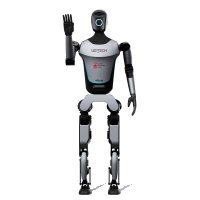
UBTECH Robotics Walker S2
The UBTECH Robotics Walker S2 Standard is an industrial-grade bipedal humanoid robot engineered for smart factory environments. It combines advanced locomotion, dexterous manipulation, and AI-powered perception to automate complex tasks like quality inspection, material handling, and assembly line operations, enabling flexible and intelligent manufacturing.
Learn More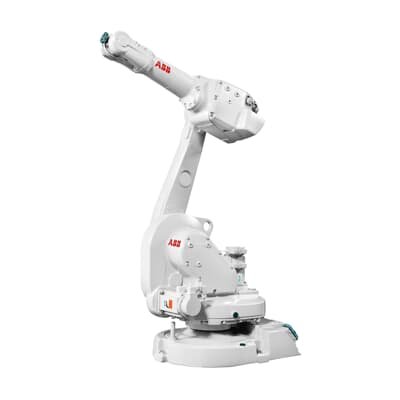
ABB Robotics IRB 1600
IRB 1600 is a fast, precise industrial arm for machine tending and material handling, chosen for long-running production cells.
Learn More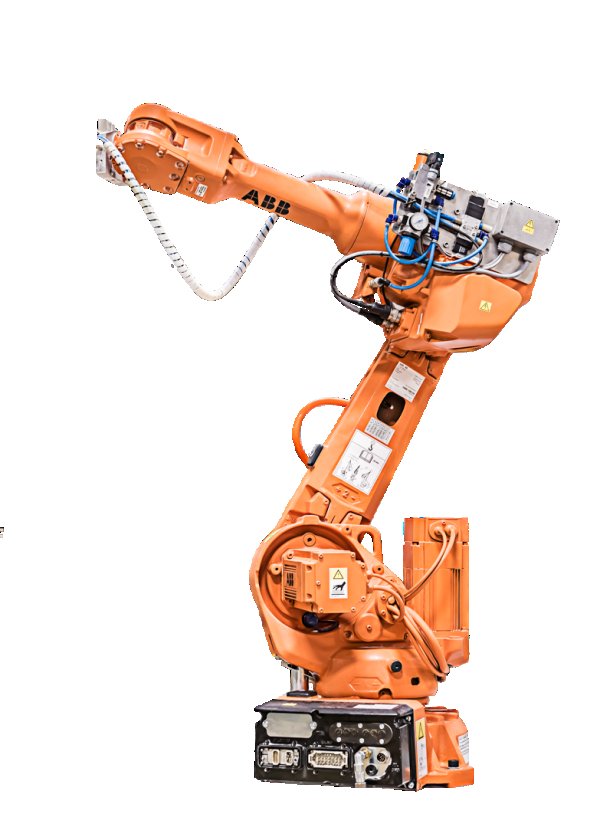
ABB Robotics IRB 2600
IRB 2600 is a compact, high-speed arm with excellent reach-to-payload ratio for arc welding, tending and handling in tight cells.
Learn More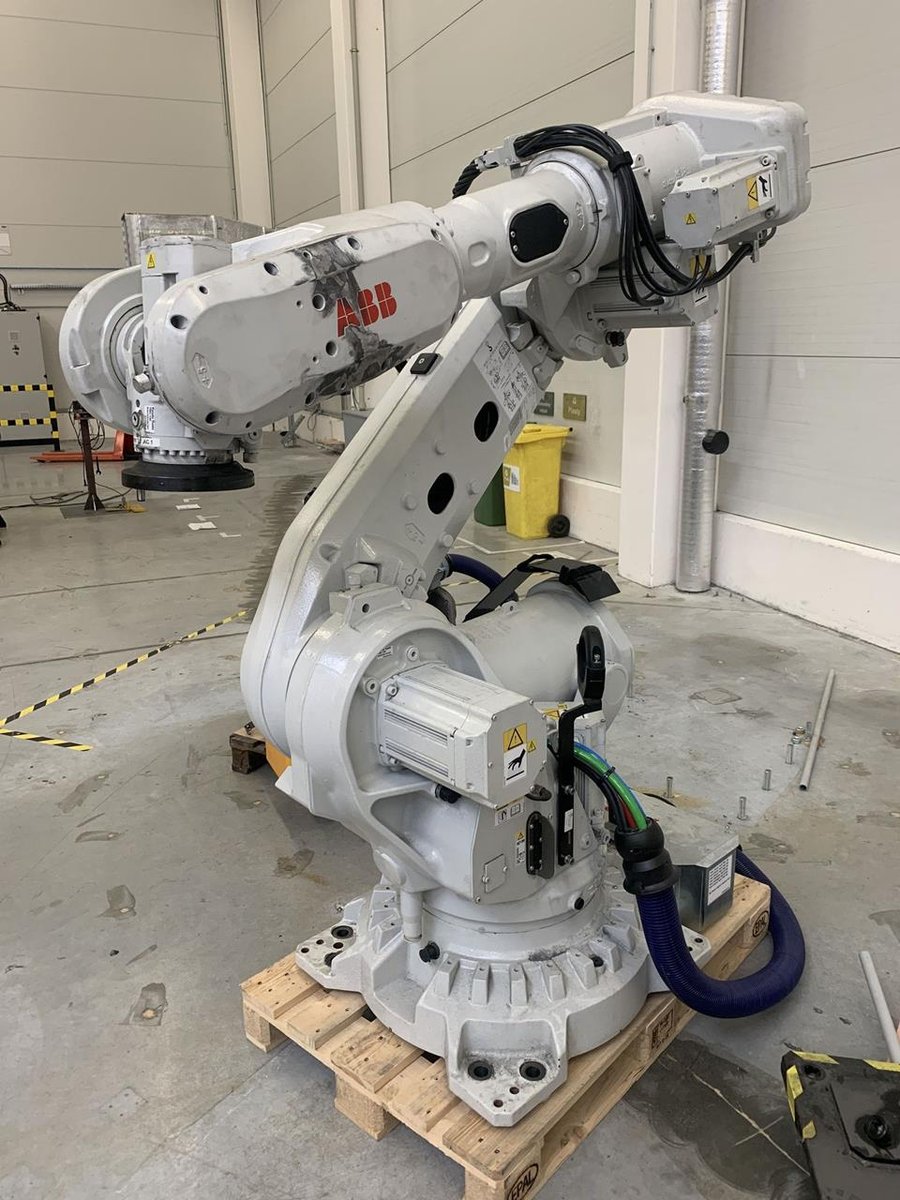
ABB Robotics IRB 6700
IRB 6700 is a high-payload workhorse for heavy handling, spot welding and press tending, built for harsh environments with Foundry options.
Learn More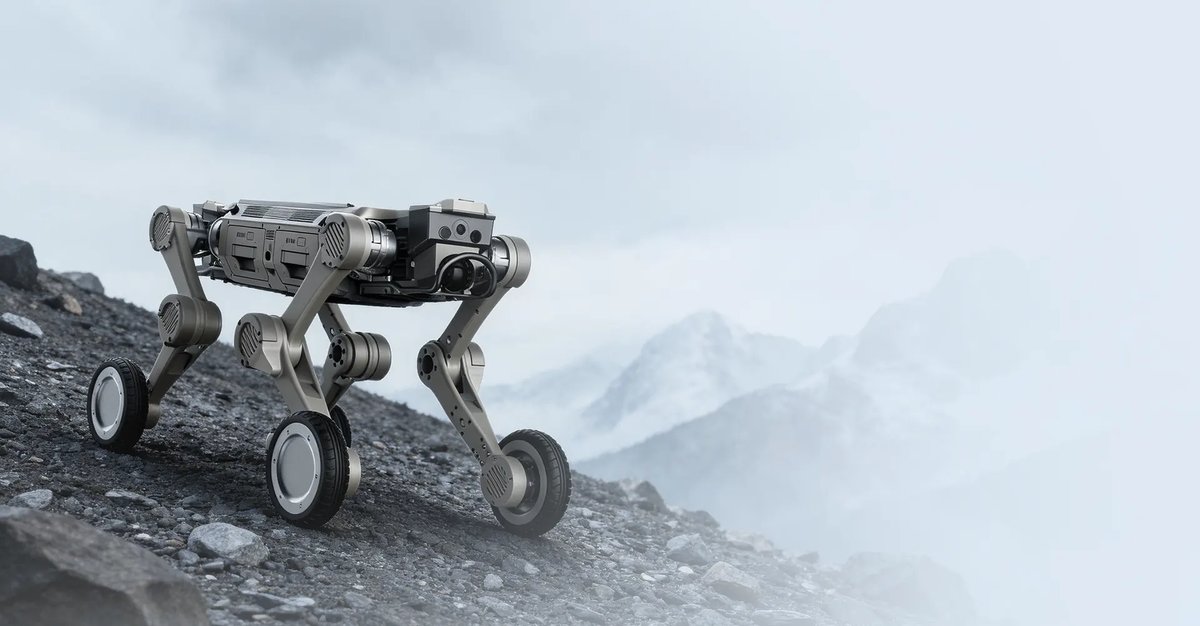
AGIBOT D1 Max IP67
The AGIBOT D1 Max IP67 is an industrial wheel-legged quadruped designed for logistics, remote task execution and search-and-rescue support across demanding indoor and outdoor terrain. It combines a 25 kg rated payload, 6 m/s maximum speed, up to 5 hours of unloaded operation and dual hot-swappable batteries with IP67 protection and a -20°C to 55°C operating range. Dual 96-channel LiDARs, front and rear 8 MP cameras, GNSS RTK, an automotive-grade IMU and ultrasonic sensing provide a strong perception foundation, while the SDK and extensive power/data interfaces support custom payload and autonomy development. Its wheel/leg mode switching, 45-degree climbing angle, 25 cm continuous stair capability and 80 cm maximum obstacle height make it suitable for industrial sites where wheeled efficiency and legged terrain access are both required.
Learn More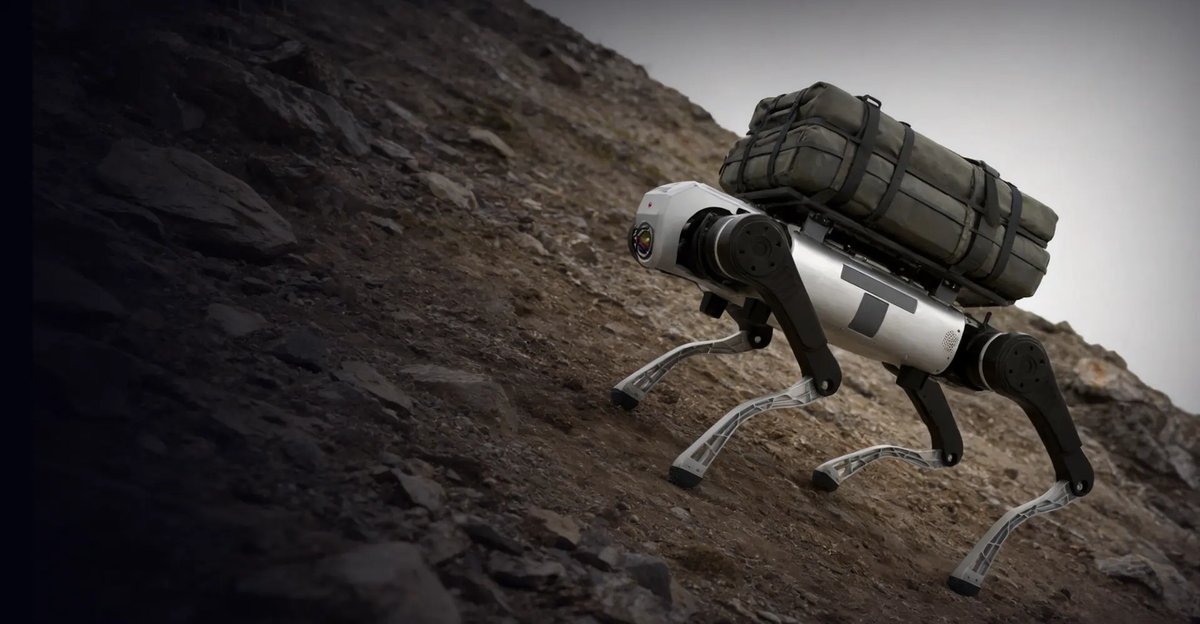
AGIBOT D1 MaxPro IP67
The AGIBOT D1 MaxPro IP67 is a heavy-duty industrial quadruped designed for sustained payload transport, material handling, emergency-response support and custom remote or autonomous operations. It carries a rated 50 kg payload while weighing 68 kg, uses a 2,081 Wh battery, and delivers 5.5 ± 0.5 hours unloaded or at least 2 hours under a 50 kg load, with a published operational range of 21 ± 1 km unloaded and 11 ± 1 km at full load. The platform climbs continuous stairs up to 30 cm, including open-riser industrial stairs, supports self-righting after a fall, and is rated for 45-degree slopes. IP67 protection, operation from -20°C to 55°C and published operation in water up to 20 cm deep support harsh-site deployment. A 117 TOPS GPU compute module, front 96-channel LiDAR, front and rear wide-angle cameras, automotive-grade IMU, TCP/ROS SDK and extensive power/data interfaces provide an industrial base for integrator-developed payloads and autonomy.
Learn MoreProven in the field
Real deployments, real results — not projections.
Zhejiang Power Utility
DEEP Jueying X30
Challenge: Manual substation inspections took over an hour per round, were labour-intensive and exposed staff to harsh weather and safety risks.
Solution: A DEEP Jueying X30 was equipped with HD cameras, thermal imaging and LiDAR, integrated with existing SCADA systems for automated reporting.
Result: Cut operating costs by ~70%, reaching 98% inspection accuracy with full rounds completed in under 35 minutes versus over an hour manually.
Related to energy, utilities & industrial site robotics
Explore related areas to find the right robot for your operation.
Related use cases
Not sure where to start? Tell us what's slowing you down.
Tell us what's slowing you down. We will be in touch within one business day.
No obligation · We respond within one business day
Let our experts help you find the right robotics solution for your energy-utilities needs.